

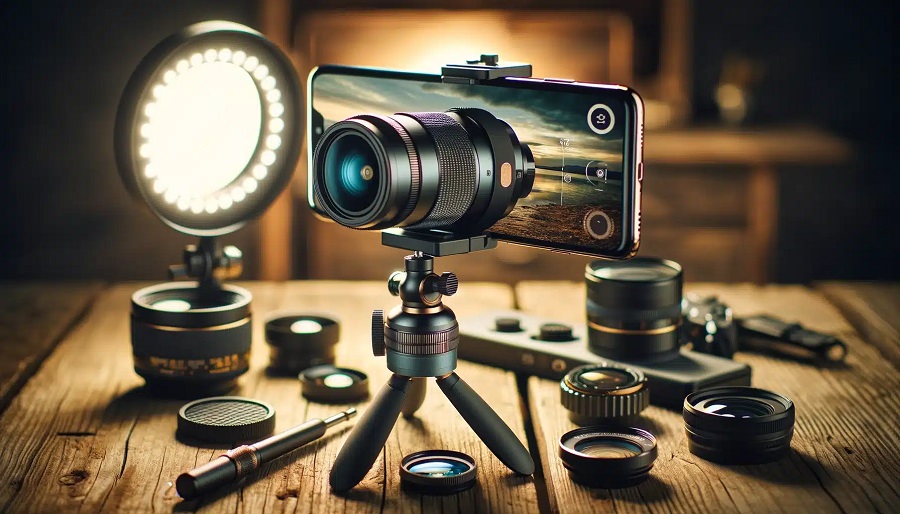
In 2026, the gap between a smart phone and a professional DSLR has narrowed to the point of disappearing for many creators. While mobile sensors have grown larger and AI processing has become more sophisticated, the physical limitations of a thin device remain. To bridge this gap and achieve truly pro-grade results, the strategic use of mobile accessories is no longer optional—it is the definitive way to unlock a device’s cinematic potential.
By transforming a handheld device into a modular production rig, creators can capture imagery that was once the exclusive domain of high-end studios. This article explores the essential mobile accessories that elevate a smart phone from a casual snapper to a professional-grade creative tool.
The Optical Leap: Beyond Digital Simulation
Even the most advanced smart phone relies heavily on “computational photography”—software tricks that simulate depth of field or zoom. While impressive, these digital effects can often fall apart under professional scrutiny. Physical lenses remain the superior choice for purists.
1. Anamorphic Lenses for Cinematic Scope
The “cinema look” is defined by a wide 2.76:1 aspect ratio and organic lens flares. High-end anamorphic lens attachments allow a smart phone to capture a wider field of view without distorting the subject. By “de-squeezing” the footage in post-production, filmmakers achieve that classic Hollywood widescreen aesthetic that software cropping simply cannot replicate.
2. Long-Range Macro and Telephoto Optics
While phones now boast impressive “periscope” zooms, they often suffer from a loss of detail in low light. Attachable telephoto lenses (such as 75mm or 240mm variants) provide true optical compression, which is essential for flattering portraits and wildlife photography. Similarly, dedicated macro mobile accessories allow for 10x magnification, revealing textures and details in product photography that standard internal lenses miss.
Lighting: Shaping the Scene
The most significant “secret” to professional photography isn’t the camera sensor; it’s the quality of light. A smart phone sensor, while powerful, is still small compared to full-frame cameras, making it highly dependent on external illumination to reduce grain and noise.
1. Modular LED Panels and COB Lights
In 2026, the trend has shifted toward modular, high-CRI (Color Rendering Index) LED panels. A CRI of 95 or higher ensures that skin tones look natural rather than washed out or green. These compact mobile accessories can be magnetically snapped onto the back of a smart phone or mounted on a “cold shoe” rig to provide soft, diffused light.
2. The Power of Diffusion and Gels
Professionalism is found in the shaping of light. Portable diffusion domes and creative gel kits allow creators to change the mood of a scene instantly. By using a warm 3000K light for lifestyle content or a cool “daylight” 5600K for tech reviews, the smartphone user can match the professional standards of a studio set.
Audio Fidelity: The Hidden Half of Video
It is a common adage in the industry: “Audiences will forgive bad video, but they will never forgive bad audio.” The internal microphones on even the best smart phone are omnidirectional, meaning they pick up unwanted wind and background noise.
1. Wireless Mic Systems and Shotgun Mics
To achieve pro-grade vlogging or interviewing results, a wireless lavalier system is essential. Modern 2.4GHz wireless kits connect directly via USB-C or Lightning ports, providing crystal-clear audio from up to 100 meters away. For cinematic work, a directional “shotgun” mic mounted on a smartphone cage focuses on the sound directly in front of the lens, effectively “zooming” the audio to match the visual.
Stability: Fluid Motion and Precision
Shaky footage is the fastest way to signal “amateur” content. While internal electronic stabilization (EIS) has improved, it often creates a “jello effect” or crops the frame significantly.
1. 3-Axis Gimbals and AI Tracking
A 3-axis gimbal is the most transformative of all mobile accessories. By physically counteracting movement, it allows a smart phone to perform sweeping “dolly” shots and smooth “pans” that look like they were filmed on a professional rail system. In 2026, these gimbals integrate AI subject tracking, ensuring the camera stays locked on a person even during complex movements.
2. The Professional Grip
For still photographers, the ergonomics of a flat phone are a hindrance. Pro-level grips add a physical shutter button and a comfortable handle, making the smart phone feel like a traditional camera. This stability is crucial when using heavy telephoto attachments, where even a micro-vibration can ruin a shot.
The Professional Rig: Bringing it All Together
The final step in the pro-grade transition is the “Smartphone Cage.” This modular frame acts as the skeleton for your setup. It provides multiple mounting points for your lights, microphones, and SSD drives (for high-bitrate recording like ProRes).
When a smart phone is housed within a dedicated cage and outfitted with the right mobile accessories, it becomes more than a communication device—it becomes a high-performance production workstation. This setup allows creators to move quickly, stay mobile, and still produce content that meets the rigorous standards of modern digital media.
